
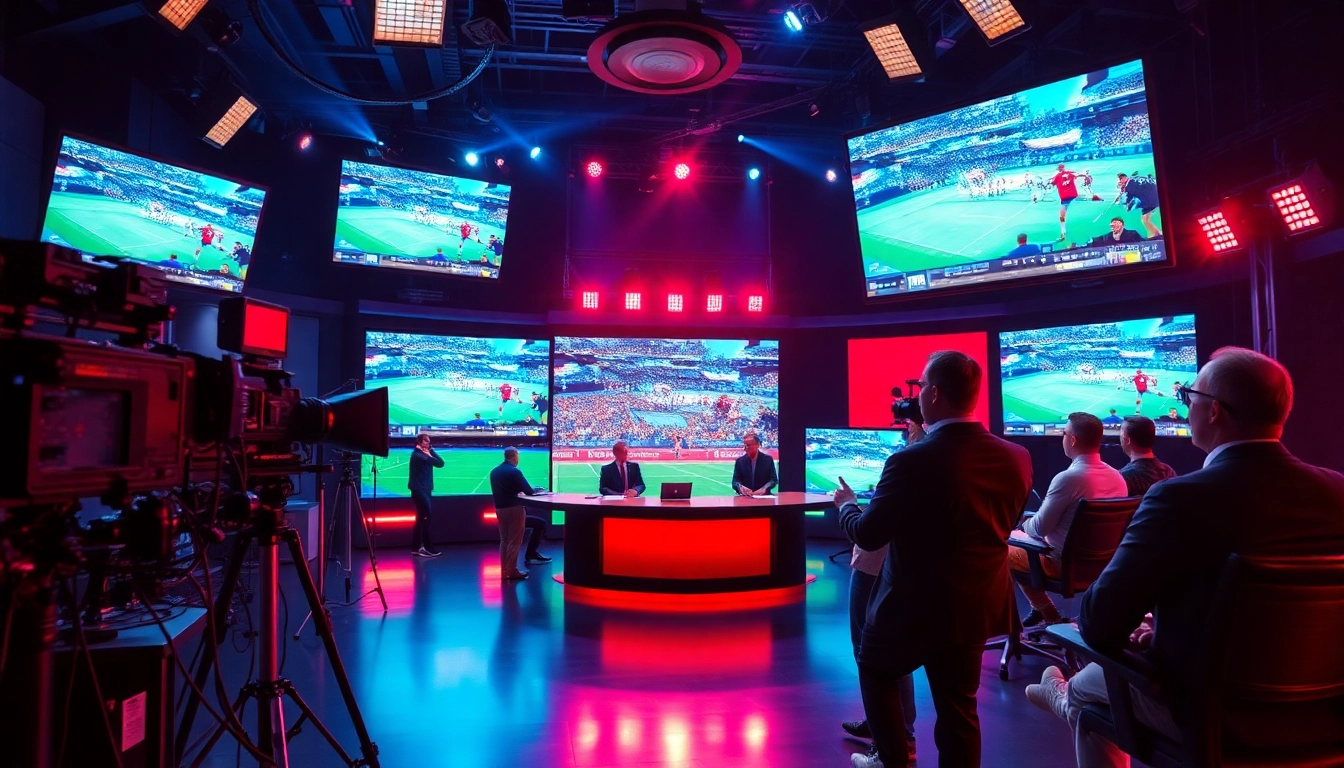
Understanding Sports Broadcasting
Sports broadcasting encompasses the live or recorded distribution of sports content via television, radio, and online platforms. It serves as a crucial bridge connecting sports events with fans across the globe. The dynamic nature of Sports Broadcasting not only caters to traditional formats but also embraces new media technologies and viewer engagement strategies.
The Importance of Sports Broadcasting
Sports broadcasting plays an essential role in promoting sports and athletes, creating a shared experience among viewers, and generating revenue through advertising and partnerships. It significantly increases the visibility and popularity of sports, allowing fans to connect with their favorite teams and players regardless of geographic boundaries. Moreover, sports broadcasting influences how sports events are perceived culturally and socially, transforming them into major community events.
History and Evolution of Sports Broadcasting
The journey of sports broadcasting began in the early 20th century, with radio broadcasts of live sports events capturing the interest of audiences worldwide. As technology advanced, television broadcasts became the standard, allowing millions of viewers to enjoy sports from the comfort of their homes. The advent of cable television and satellite broadcasting expanded programming options, allowing for dedicated sports networks that specialize in coverage, analysis, and commentary. The rise of the internet has further revolutionized Sports Broadcasting by enabling real-time coverage and on-demand streaming, giving fans instant access to a variety of sports content.
Key Roles in Sports Broadcasting
Several roles are critical in the world of sports broadcasting, each contributing to an enhanced viewing experience:
- Broadcasters: These are the individuals who present live coverage of events, providing commentary and analysis.
- Producers: They oversee the technical and creative aspects of broadcasts, ensuring that everything runs smoothly.
- Camera Operators: They capture the events from various angles, providing exciting visuals for audiences.
- Editors: They play a crucial role in post-production, assembling highlights and packaging content for future viewing.
- Social Media Managers: In the digital age, these professionals enhance audience reach by promoting content across platforms.
Types of Sports Broadcasting
Live Sports Telecasts
Live telecasts remain the backbone of sports broadcasting, as they provide viewers the thrill of witnessing events as they unfold. Major networks invest in high-quality production to ensure an immersive experience, including multi-camera angles, on-screen statistics, and expert commentary.
Sports Commentary and Analysis
Beyond just live coverage, sports commentary and analysis offer deeper insights into games, player performance, and strategies. Analysts analyze statistics and provide context, which enriches the viewer's understanding and experience of the sport.
Digital Streaming Platforms
With the growth of the internet, digital streaming has become a dominant force in sports broadcasting. Platforms like streaming services allow viewers to watch games live or on demand, catering to their schedules and preferences. This flexibility has transformed the way sports content is consumed and has expanded the fan base significantly.
Essential Techniques in Sports Broadcasting
Effective Communication Skills
Successful sports broadcasters possess excellent communication skills. They must articulate their thoughts clearly while adapting their style to suit diverse audiences. Engaging commentary captivates viewers, enhancing their emotional investment in the event.
Use of Technology in Sports Broadcasting
Technology is at the heart of modern sports broadcasting. High-definition cameras, drones, and sophisticated graphics software elevate the viewer experience, providing richer narratives and visual engagement. Furthermore, advanced data analytics tools are vital for delivering real-time insights and statistics during broadcasts.
Engaging Audience Interaction
Interactive elements in sports broadcasts have become increasingly important. Engaging fans through social media, polls, and live chats during events fosters a sense of community and encourages viewer loyalty. This two-way communication transforms passive viewers into active participants, making them feel more connected to the event.
Overcoming Challenges in Sports Broadcasting
Dealing with Technical Issues
Technical issues can arise at any moment during live broadcasts, creating challenges for broadcasters. Implementing backup systems and conducting pre-event testing are critical practices to minimize disruptions. Adequate training for staff on handling unexpected technical challenges is also essential.
Maintaining Viewer Engagement
With the vast array of entertainment options available today, maintaining viewer engagement is a significant challenge. Broadcasters must continually innovate content delivery methods, utilize captivating storytelling, and create compelling visuals to keep audiences enthralled.
Adapting to Changing Media Trends
The media landscape is continuously evolving, with trends like cord-cutting and increased demand for on-demand content shaping the future of sports broadcasting. To remain relevant, broadcasters must adapt their strategies to meet viewer preferences, including diversifying their platforms and exploring new distribution channels.
Future Trends in Sports Broadcasting
Impact of Virtual Reality and Augmented Reality
Virtual reality (VR) and augmented reality (AR) technologies are set to revolutionize the sports broadcasting industry. These technologies promise to provide immersive experiences that allow fans to feel as if they are part of the action, significantly enhancing viewer engagement and offering innovative viewing options.
The Rise of Streaming Services
As traditional cable subscriptions decline, the rise of streaming services continues to shape sports broadcasting. Major sports leagues are increasingly partnering with these platforms to provide exclusive content and enhance reach, making it essential for companies to embrace this trend to remain competitive.
Innovations in Audience Engagement
Innovative audience engagement methods, such as personalized content recommendations, enhanced social media interaction, and gamification of events, will continue to evolve. These strategies aim to create more personalized viewing experiences, keeping fans actively engaged with events and their favorite sports personalities.
FAQs
What is sports broadcasting?
Sports broadcasting is the distribution of sports-related content via television, radio, or online platforms, connecting fans to events and athletes.
How has technology impacted sports broadcasting?
Technology has enhanced viewing experiences with high-definition visuals, real-time statistics, and interactive features, making broadcasts more engaging.
What are common challenges in sports broadcasting?
Common challenges include technical issues, maintaining viewer engagement, and adapting to changing media trends and consumer preferences.
What role do commentators play in sports broadcasting?
Commentators provide live analysis and commentary during broadcasts, offering insights that deepen viewers' understanding of games and events.
What is the future of sports broadcasting?
The future includes advancements in virtual and augmented reality, increased reliance on streaming platforms, and innovations in audience engagement.