

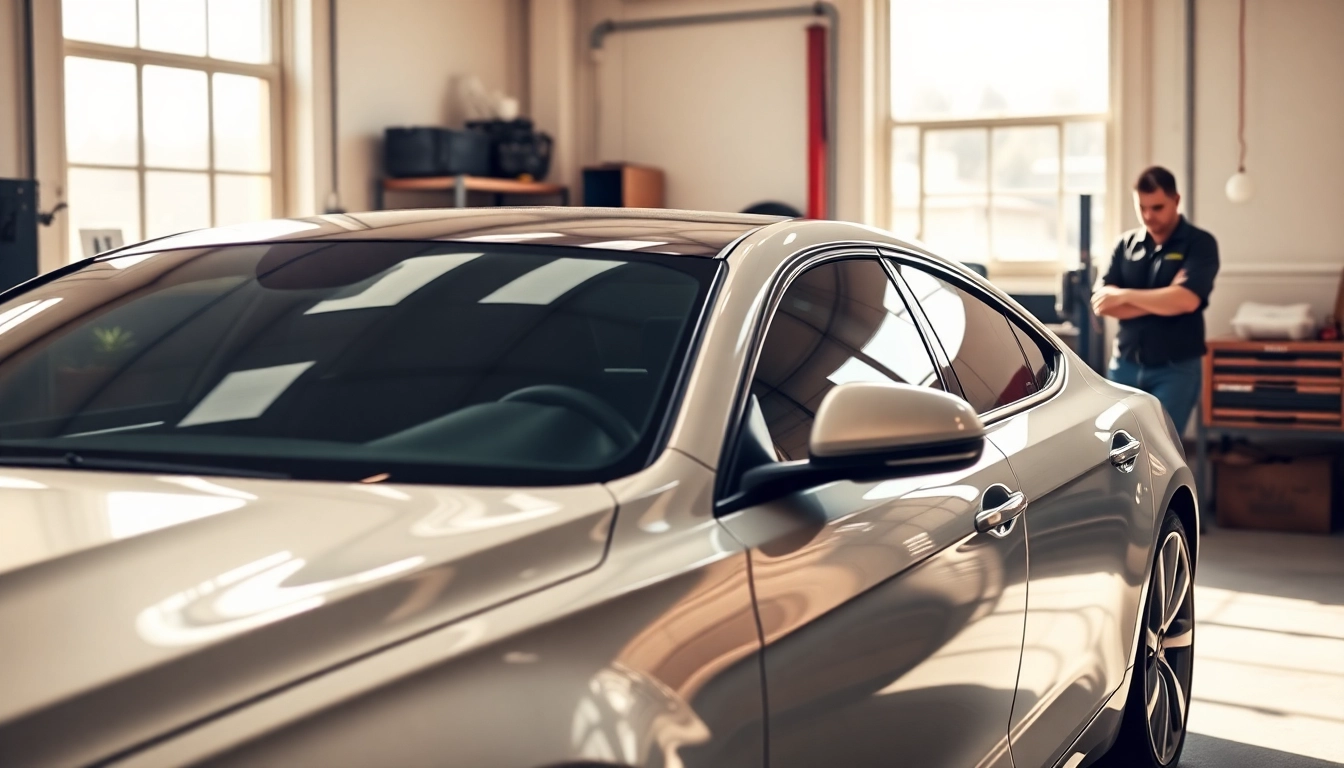
Understanding Window Tinting
What is Window Tint?
Window tinting involves applying a thin film to the glass surfaces of vehicles or buildings to reduce glare and heat. These films can vary in opacity, color, and reflectiveness, providing not only aesthetic enhancements but also functionality. The films are typically made from polyester and coated with different materials to meet specific needs, which may include UV protection, privacy, and heat reduction.
Benefits of Window Tint Near Me
Opting for window tint near me can offer numerous benefits. For one, it improves comfort by reducing heat inside your vehicle or home, leading to lower energy costs for cooling. It also protects interiors from fading due to sun exposure, prolonging the life of upholstery and furnishings. Furthermore, window tint can increase privacy and security by making it challenging for outsiders to see into your vehicle or property, thus deterring potential theft.
Types of Window Tint Available
Window tints are classified into several types, each targeted toward specific needs and preferences. The most common types include:
- Dyed Window Film: This is the most economical option, providing aesthetic benefits and basic heat reduction.
- Metalized Window Film: This type uses tiny metal particles that help reflect heat and enhance the film’s durability.
- Ceramic Window Film: Known for its advanced heat-rejecting capabilities and exceptional UV protection, ceramic films also don’t interfere with electronic devices.
- Hybrid Window Film: Combining dyed and metalized films, these provide a balanced solution in terms of cost, privacy, and heat reduction.
Factors to Consider in Window Tinting
Legal Regulations for Window Tint
Before proceeding with window tinting, it’s paramount to understand the legal regulations governing its use in your location. Each state has different laws regarding the permissible levels of tint darkness and reflectivity, often specifying visible light transmission percentages. Ensuring compliance not only avoids potential fines but also guarantees safety.
Choosing the Right Shade
Choosing the right shade for your window tint can significantly impact the functionality and appearance of your vehicle or property. Lighter shades offer a subtle touch while providing adequate UV protection, making them suitable for those who prefer less privacy. Darker shades can enhance security and heat reduction but may also limit visibility. Evaluating personal preferences and local laws will aid in making an informed decision.
Energy Efficiency and UV Protection
One of the standout benefits of window tinting is its contribution to energy efficiency. Reflective window films can significantly lower energy consumption by maintaining cooler indoor temperatures, particularly during summer. Additionally, many quality window tints can block up to 99% of harmful UV rays, minimizing skin risks while enhancing skin protection for occupants inside the vehicle or building.
Finding Quality Services for Window Tint Near Me
Researching Local Installers
Finding quality services for window tint near me involves thorough research. Start with local online directories and service review platforms. Check for business credentials, years of experience, and specializations. Local installers often have a better understanding of the legal requirements in your area and can recommend suitable products.
Reading Customer Reviews
Customer reviews provide invaluable insights into a company’s reliability and quality of work. Look for testimonials that discuss aspects such as product durability, installation techniques, customer service, and post-service support. Heavy reliance on customer feedback can guide you to the best option that fits your needs.
Requesting Quotes and Comparing
Once you’ve narrowed down potential installers, request detailed quotes that outline prices, materials used, and warranties. Comparing these aspects alongside the reviews will help you gauge which service provides the best value for your budget.
Cost Expectations for Window Tint
Average Prices for Different Tints
The cost of window tinting varies significantly based on factors like vehicle size, type of film, and installation complexity. On average, you can expect to pay anywhere from $200 to $600 for a standard vehicle. Higher-end films, such as ceramic, can raise prices considerably but offer superior performance.
Factors Affecting the Cost
Several factors contribute to the overall cost of window tinting, including:
- Film Type: Premium films often cost more due to advanced manufacturing processes.
- Labor Rates: Installation costs vary by region; urban areas may charge higher installation fees.
- Vehicle Size: Larger vehicles necessitate more material and labor, which can influence costs.
Maximizing Your Investment
To make the most of your window tint investment, consider maintenance and longevity. Opt for reputable brands that come with warranties, ensuring they will last for many years without bubbling or lifting. Regular cleaning with recommended products will maintain clarity and functionality.
Maintenance and Care for Tinted Windows
Cleaning Tips for Window Tint
Caring for tinted windows is vital to prolonging their life. Use soft microfiber cloths and gentle window cleaning solutions to avoid scratching the film. Avoid ammonia-based products as they can break down the tint material over time. Regular yet gentle cleaning will keep your windows looking great.
Common Issues and Resolutions
Tinted windows may sometimes experience issues like bubbling or fading. Bubbling often occurs due to poor installation or exposure to high heat, but this can sometimes be remedied by reapplying the film professionally. Fading typically indicates poor-quality film; investing in high-grade products will mitigate this concern.
When to Replace Your Tint
It’s important to replace your window tint when you notice sustained issues such as peeling, fading, or discoloration. Most quality tints should last at least five to ten years, so tracking performance issues over time can help you determine the right moment for a replacement to maintain overall aesthetic and functional benefits.
FAQs about Window Tinting
1. How long does window tint last?
High-quality window tint can last 5 to 10 years, depending on the product and care. Regular maintenance helps prolong its lifespan.
2. Is window tinting legal?
Yes, but regulations vary by state, including limits on tint darkness and reflectivity. Always check local laws before installation.
3. Can window tint block UV rays?
Yes, many window tints can block up to 99% of harmful UV rays, providing excellent protection for you and your interior.
4. Will window tinting affect my visibility at night?
Higher darkness levels may reduce visibility at night. It’s essential to strike a balance between privacy and safety when choosing a tint.
5. How do I know what tint is right for me?
Your choice should consider local regulations, desired heat reduction, privacy needs, and aesthetic preferences. Consulting professionals can help.
